Dashboard Overview
Agentic AI Sooezy Bootcamp — Season 1 Analytics
Weekly Cohort Attendance Trend
Top Contributing Attendees
| Rank | Attendee Name | Total Segments | Engagement Role |
|---|---|---|---|
| 1 | Sarita Sahu | 423 | 🔥 Power Contributor |
| 2 | Berna Ünal | 235 | 💬 Active Contributor |
| 3 | Özgür Solakoğlu | 209 | 💬 Active Contributor |
| 4 | Serdar | 183 | 💬 Active Contributor |
| 5 | Bengisu Bostancı | 70 | ⚡ Moderate Contributor |
Top Pedagogy Metaphor
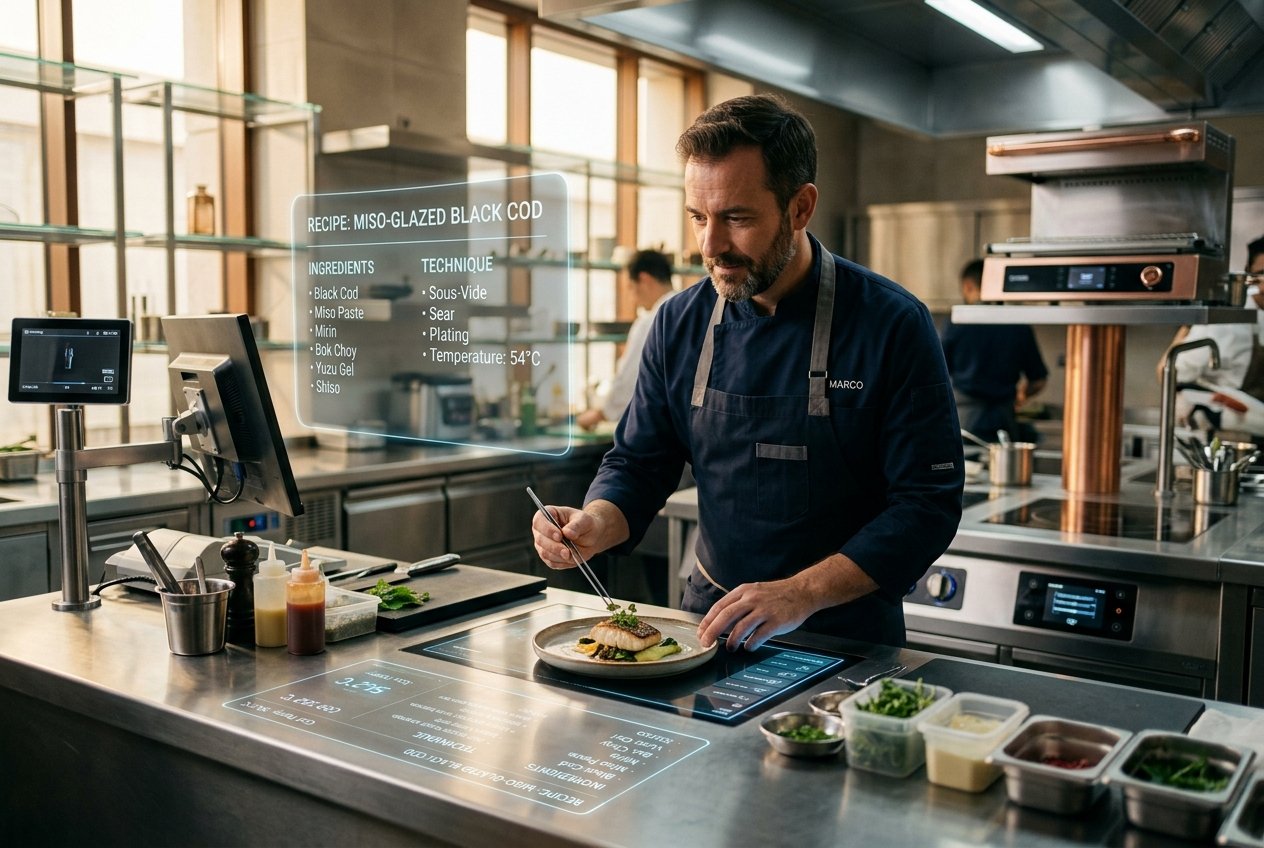
Chef in the Kitchen (Week 2/4)
Illustrated the delegation of goals to agents versus writing step-by-step instructions. Universally embraced by the class.
Week 1: Mindset & Core Agent Architectures
In the inaugural week, Ahmet introduced the key concepts of Agentic AI. The focus was on helping participants shift their mindset from traditional chat prompt engineering (where you micromanage every reply) to autonomous loops. The class examined the stateless architecture of LLM API interfaces and discussed why RAG, context windows, and external tool memory are necessary extensions.
Key Insights & Info Cards
Mindset Shift
Goal-based delegation replaces step-by-step instruction writing.
Statelessness
LLMs have no memory of past runs; all history must be sent as payload.
Core Tools
Introduced the Antigravity CLI and basic command configurations.
1. Why is an LLM API considered stateless (like a hotel room)?
2. Prompts vs. Agentic loops: Prompting a standard chat is compared to...
Week 2: Modular Skills & Agent Architecture
Week 2 introduced the structure of "Skills" in the agent's framework. Instead of rebuilding models, developers load modular folders containing a specific instructions sheet (SKILL.md) and optional support files. The session featured parallel modules in Turkish and English to guide students through establishing command parameters and local workspace directories.
Key Insights & Info Cards
Modular Skill folders
Each capability is encapsulated as a standalone skill folder.
Security Limits
All tool execution must be locked down to the designated workspace.
Multi-Language
Introduced parallel sessions to guide Turkish and English tracks.
1. What file serves as the main entry point and instruction set for a skill?
2. In the "Chef in the Kitchen" metaphor, what does the recipe represent?
Week 3: Practical Lab & Live-Coding (Pratik)
A highly interactive session where participants shared screens to build and test their skills. Ahmet facilitated as Berna Ünal and Özgür Solakoğlu ran commands, set up workspace directories, and live-debugged errors. The class analyzed how the agent handles permission grants for reading/writing files and investigated sandbox limits.
Key Insights & Info Cards
Screen Debugging
Students drove the terminal commands while the instructor coached.
Sandbox Security
Learned how the agent requests narrow permissions before write tasks.
Error Recovery
Practiced adjusting file patterns to match VTT transcript speaker labels.
1. What must an agent do before modifying a file outside its sandbox parameters?
2. How was the class structure styled during Week 3?
Week 4: Code Review & Skill Deployment
The final week took the form of a focused technical review. Sarita Sahu and Serdar joined Ahmet to resolve integration bugs in the transcript analysis skill. The discussion tackled technical edge cases, such as handling irregular speaker prefixes in VTT output and standardizing JSON structured data files.
Key Insights & Info Cards
VTT Quirks
Irregular transcription labels require name normalization logic.
Deploying Skills
Registering custom local directories inside the CLI configuration.
JSON Pipeline
Outputting data structures to feed dashboard files dynamically.
1. What VTT file issue did the code review address in Week 4?
2. How are multi-part files for a single week grouped by the analyzer?
Week 5: SAP Integration & Future ALM Systems
In the fifth week, the course explored corporate AI agent implementations. Ahmet discussed SAP's integrated AI assistant, Joule, and compared its capabilities with co-pilot designs. The session reviewed Eclipse's open-source history and IBM's early investment, as well as SAP HANA Tailored Data Center Integration (TDI) hardware configurations. Finally, the class reviewed the transition strategy from SAP Solution Manager (SolMan) 7.2 to SAP Cloud ALM before the 2027 support deadline.
Key Insights & Info Cards
SAP Joule
SAP's native AI assistant designed to integrate deeply into enterprise workflows.
SAP TDI
HANA Tailored Data Center Integration allows businesses to configure custom hardware setups.
Cloud ALM
The successor to Solution Manager, with support ending in 2027.
1. What is SAP Joule?
2. What program allows custom hardware setups for SAP HANA?
3. When does mainstream maintenance end for SAP Solution Manager 7.2?
Week 6: Vibe Coding & Deployment Playbook
In the sixth week, the course focused on the Vibe Coding revolution and modern hosting architectures. The session analyzed cloud-based AI code generation tools (Lovable, Bolt.new, V0) and local setups (Diadab, Ollama) for zero-token cost loops. It cut through the prototyping hype to address production-level realities (the 5-10 iteration wall). Finally, the class compared deployment platforms (Vercel, Netlify, Cloudflare, Render, Railway, Fly.io), detailing their specific hosting limits, database hooks, and cold-start characteristics.
Key Insights & Info Cards
Vibe Coding
Building applications by expressing high-level intent, letting AI handle code generation.
Prototyping Wall
The 5-10 iteration point where AI code generators face logic and database schema conflicts.
Render Cold Starts
Free-tier web services spin down and take 30-60 seconds to resume when requested.
1. What is Vibe Coding?
2. What is a key limitation of Render's free tier?
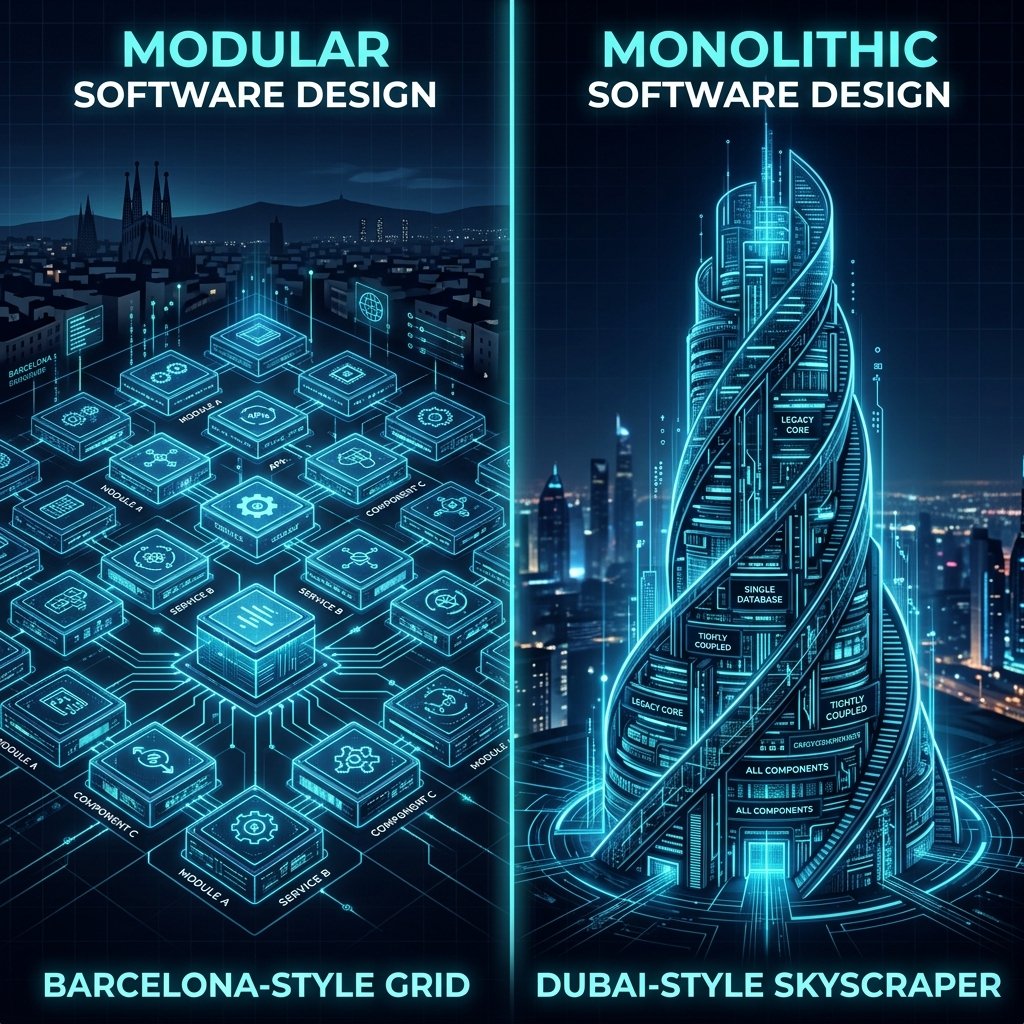
3. What is the Barcelona Grid metaphor?
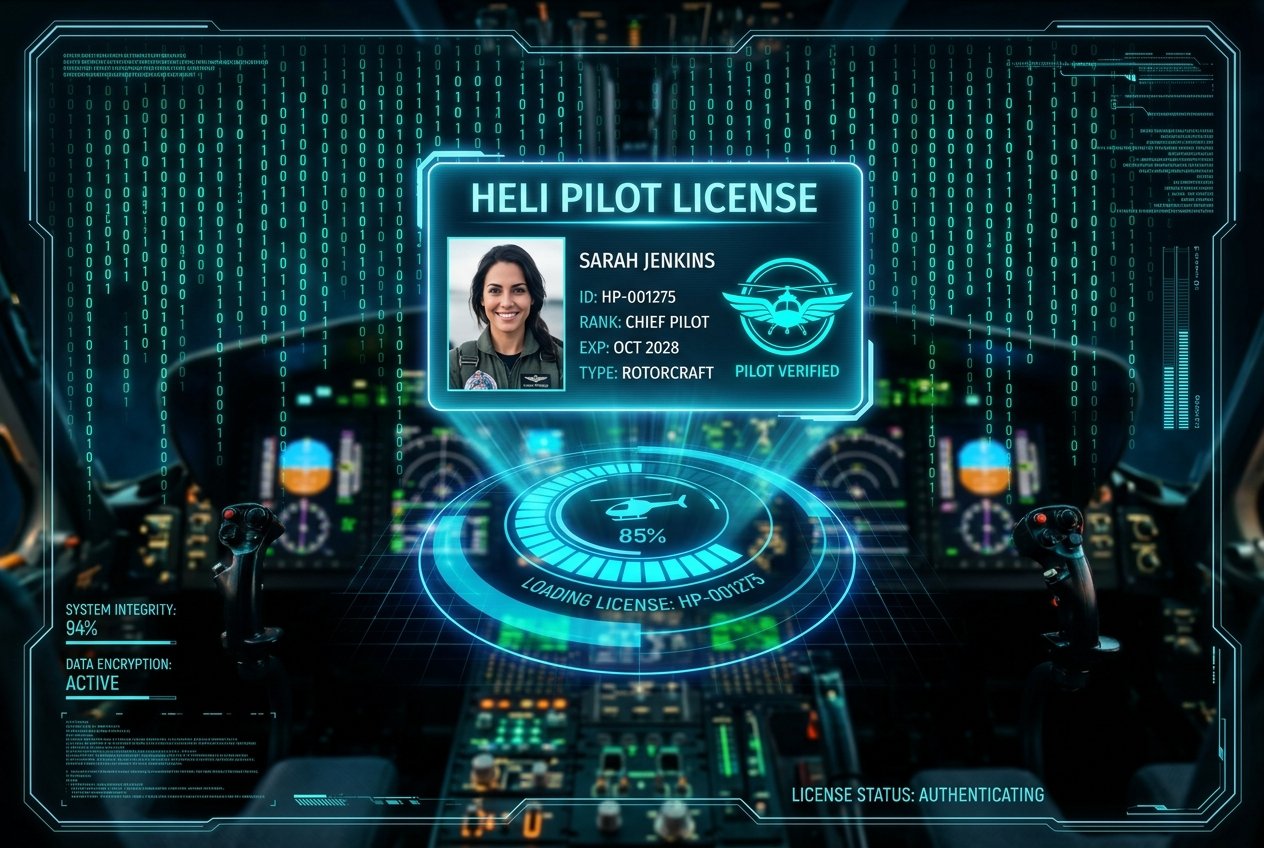
Teaching Playbook — Generated Illustrations


Attendee Retention & Checklist
| Attendee | Week 1 | Week 2 | Week 3 | Week 4 | Total Sessions | Classification |
|---|
Speaking Contribution Metrics
Full Speaking Leaderboard
| Rank | Name | W1 | W2 | W3 | W4 | Total Segments | Total Words | Primary Role |
|---|
Most Repeated Technical Terms
Analyzed from all transcript files. Commonly repeated stopwords in Turkish and English have been filtered out. Hover over any word to check its exact recurrence count.
Standardize Zoom Names
Ask participants to join using their real names (First Last) rather than aliases (e.g. `Five Six`, `Seda’s iPhone`, `Zoom User`). Standardizing usernames saves hours of manual cleanup in name mappings.
Shared Skills Directory
Create a collective workspace repository on GitHub where cohort members can push their finished `SKILL.md` folders. This acts as a library of capabilities that others can download.
Scheduled Debugging slots
Rather than resolving individual screen debugging issues during the main lecture window, schedule brief, 15-minute 1-on-1 office hours slots to maintain course pacing.
Language-Specific Tracks
Establish dedicated, parallel directories or calendar sessions for English and Turkish cohorts. This prevents fragmentation and allows developers to focus on localization APIs without friction.
Suggestions for Improvement
Are there features or adjustments you would like to recommend? You can run customization requests like:
- "Focus report content heavily on the API structure limits."
- "Add interactive quizzes directly to our Notion pages."
- "Compile comparative metrics between Season 1 and subsequent cohorts."